How Many More Summers Will We Have Together?
Today, August 13, marks the beginning of Obon.
It is mukae-bon, the day when families welcome the spirits of their ancestors home.
At around nine in the morning, my father-in-law, my wife, my father-in-law’s younger sister and her husband, and I went to visit the family grave.
⸻
Visiting the grave does not require us to travel very far.
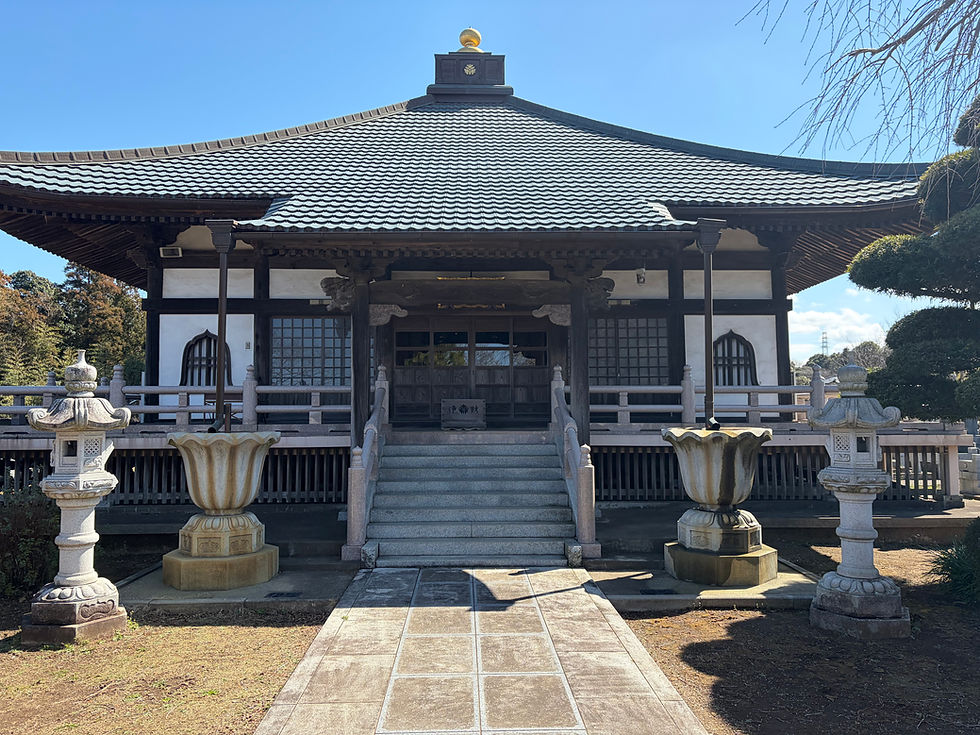
Our house stands between a Buddhist temple and a Shinto shrine.
Within a few minutes on foot, we reach the grave where my wife’s mother and grandparents rest.
When I lived in Tokyo, I could never have imagined living so close to a temple, a shrine, and the family grave.
⸻
My father-in-law had been preparing since the previous day.
He cleaned the grave.
He bought a large amount of flowers.
He also cleaned the entrance to the house.
During dinner last night, he muttered:
“I’m going to be busy tomorrow.”
True to his words, he had been on the move since early morning.
⸻
The nearby family grave was not the only one he planned to visit.
He also intended to visit the grave of my late mother-in-law’s mother.
He had originally planned to leave at around seven in the morning.
But cleaning the grave and the entrance took longer than expected, and he was unable to leave on schedule.
So he first joined us at the nearby grave and then continued on to the other one.
Those who welcome the ancestors home have a surprising amount to do.
⸻
After visiting the grave, we returned home.
A little later, the Buddhist priest from the temple next door arrived.
Every year on August 13, a priest comes to our home to chant sutras.
Last year marked the first Obon following my mother-in-law’s death, so we went to the temple for a memorial service.
From this year onward, the priest will probably visit our home every mukae-bon to recite the sutras.
⸻
We live beside a shrine.
We walk to the family grave.
A priest comes to our home from the temple next door.
When I lived in Tokyo, all of this felt far removed from my everyday life.
Here, however, the gods and the Buddha feel remarkably close.
It is not that I think deeply about religious faith.
Yet as the seasons turn, we clean the grave, offer flowers, and listen to the sutras.
The invisible world is naturally woven into everyday life.
⸻
Later today, my wife and I will travel to Tokyo.
After taking care of some business there, we will stay overnight in Sagamiono, Kanagawa.
Tomorrow morning, I need to take my mother to the hospital for an appointment at eight thirty.
Because the appointment is so early, traveling from Chiba that morning would be difficult.
We therefore decided to stay near the hospital tonight and pick her up tomorrow morning.
⸻
Only two or three years ago, I might have found all of this burdensome.
Visiting the family grave.
Receiving the priest at home.
Staying in a hotel the night before and taking my mother to the hospital early in the morning.
Coordinating schedules, traveling, and waiting.
I might have felt that my own time was being taken away.
Now, however, I feel a little differently.
⸻
The time remaining to us is finite.
How many more summers will we have together?
How many more New Year holidays will we welcome together?
Recently, I have become more conscious of these questions when spending time with our parents.
There is an old Japanese saying:
“We are in bloom only while we are alive.”
If possible, we should recognize while our loved ones are still with us just how precious our time together is.
⸻
Visiting the family grave together.
Gathering around the same table.
Accompanying a parent to the hospital.
Sharing another summer.
I hope that when Obon comes again next year, everyone who is here now will still be with us to welcome it together.


Comments